Getting Started with Investing in the Netherlands: A Complete Beginner's Guide
Everything you need to know to start investing in the Netherlands, from ETFs to diversification.
Why start investing?
With savings interest rates of 1-2% and inflation of 2-3%, your savings are effectively losing value. Over the long term, investing has historically delivered an average return of 7-8% per year.
Important: Only invest money you can afford to leave untouched for at least 5-10 years. Don't have an emergency fund yet? Build one first.
Checklist: are you ready to invest?
Before you start, make sure you have completed these steps:
How do you start investing in the Netherlands?
Step 1: Choose a broker or investment platform
Popular options in the Netherlands:Step 2: Decide on your investment strategy
For beginners, passive investing in index funds or ETFs is the best advice. You automatically spread your risk across hundreds of companies and keep costs low.Step 3: Choose your first investment
Popular ETFs for beginners:Step 4: Start making regular contributions
Invest a fixed amount each month. This is called pound-cost averaging and protects you against the risk of trying to time the market.The power of compound interest
Investing €200 per month with an average return of 7%:
After 30 years, you have contributed €72.000 but your portfolio is worth €243.000. That is the magic of compound interest.
Common investing mistakes
Mistake 1: Panic selling during a downturn
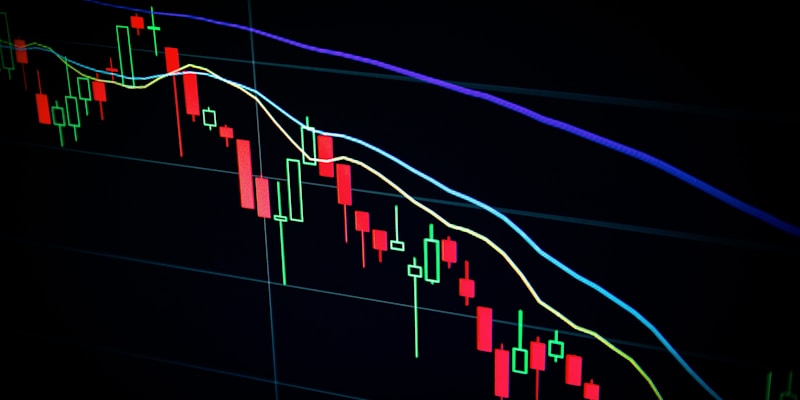
On average, the stock market falls by 10% or more 1x every 2 years. Stay invested — historically, the market has always recovered.Mistake 2: Picking individual shares
98% of professional investors do not beat the index over the long term. Choose broad diversification.Mistake 3: Paying excessive fees
Check the TER (Total Expense Ratio). Anything above 0,5% is expensive. VWRL has a TER of just 0,22%.Mistake 4: Not starting
The best time to start was 10 years ago. The second-best time is now.Tax on investments in the Netherlands
In the Netherlands, you pay tax in box 3 on your assets above the tax-free allowance (€57.000 per person in 2026). Read our tax return tips to optimise your return.
Frequently asked questions about investing
Isn't investing gambling?
No, if you diversify broadly and invest for the long term, it has historically been the best way to build wealth.How much money do I need to start?
Many brokers let you start with as little as €50 per month.Could I lose my money?
With broad index funds, the risk of losing everything is negligible. Short-term fluctuations are normal.Conclusion
Investing does not have to be complicated. Start small, diversify broadly, keep costs low and think long term. Time is your best friend when building wealth.
Want to get your financial foundations in order first? Take a look at the 50/30/20 budgeting rule or explore all our money tips.
Want to discover more money tips?
Explore all our practical tips for managing your money more wisely.