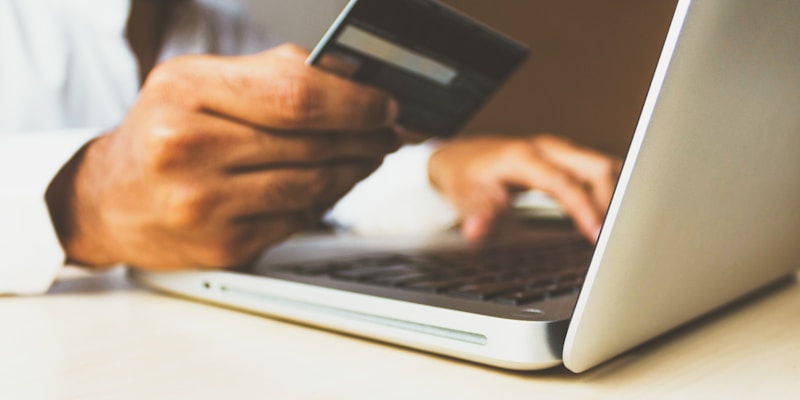
BNPL: convenience with risks
Buy Now Pay Later (BNPL) has grown rapidly. Services such as Klarna, Afterpay and Riverty make it easy to buy now and pay later. But what are the risks?
What is BNPL?
BNPL is a form of short-term credit that lets you make a purchase and pay later, often in instalments. It is offered at the online checkout and can be activated with a single click.
Popular BNPL providers in the Netherlands:
- Klarna
- Afterpay (Riverty)
- in3
- Billink
- SprayPay
How does it work?
- You make a purchase online
- At checkout, you choose BNPL
- You receive the product straight away
- You pay later (14-30 days) or in instalments
The appeal
Advantages:
- ✅ Receive your products straight away
- ✅ Time to decide before you pay
- ✅ Often interest-free if you pay on time
- ✅ Easy returns process
- ✅ No credit card needed
The hidden risks
1. Impulse purchases
Buying becomes much easier. You are more likely to spend money you do not have.
2. Mounting debts
Multiple BNPL purchases from different shops can quickly add up without you keeping track.
3. High costs for late payment
- Reminder fees: €5-15 per reminder
- Debt collection costs: Up to 40% of the amount
- Penalty interest: Up to 14% per year
4. Credit registration
Since October 2024, BNPL payments have been recorded on the credit register if you:
- Have a total debt of more than €250 with one provider
- Are in arrears
5. Less visibility
Unlike your bank balance, BNPL debts do not appear directly in your financial overview.
The figures are worrying
- 1 in 3 BNPL users struggles to pay
- Young people (18-34) are overrepresented among those with problem debt
- Average BNPL debt among those experiencing problems: €800
New regulations
The government has intervened:
- Mandatory credit registration from €250
- Mandatory credit checks for all BNPL
- Stricter supervision by AFM
Using BNPL responsibly
If you want to use BNPL, do so responsibly:
Do's:
- ✅ Only use it if you have the money
- ✅ Keep a list of all your BNPL commitments
- ✅ Always pay on time
- ✅ Use it for convenient returns, not as credit
Don'ts:
- ❌ Do not use BNPL if money is tight
- ❌ Do not build up debts with multiple providers
- ❌ Do not forget that it is debt
- ❌ Do not ignore payment reminders
Alternatives to BNPL
| Alternative | Advantage |
|---|---|
| Saving up | No debts |
| Credit card | Better overview, protection |
| Personal loan | Lower interest on larger amounts |
| iDEAL | Pay immediately, no risk |
What should you do about BNPL debts?
- Create an overview: List all your BNPL debts
- Prioritise: Pay those with the highest costs first
- Get in touch: Ask for a payment arrangement
- Stop using BNPL: Avoid new debts
- Seek help: If problems persist, seek debt advice
Conclusion
BNPL is not inherently bad, but it requires discipline. Its accessibility makes it tempting to spend more than you have. Be aware of the risks and only use it if you are sure you can pay.
Sources and scope
Examples and policy choices in this article are illustrative, not a current quotation, fixed standard or financial or legal advice. The editorial revision date relates to the summary, structure and source references; it is not a reference date for the underlying data.
| Primary source | What is it used for? |
|---|---|
| Rijksoverheid — responsible borrowing | Repayment, interest, additional costs and assessing affordability against your budget. |
Source links support the topic mentioned, but do not automatically substantiate all percentages, time frames or examples in this article. Check current terms and rules with the responsible authority.