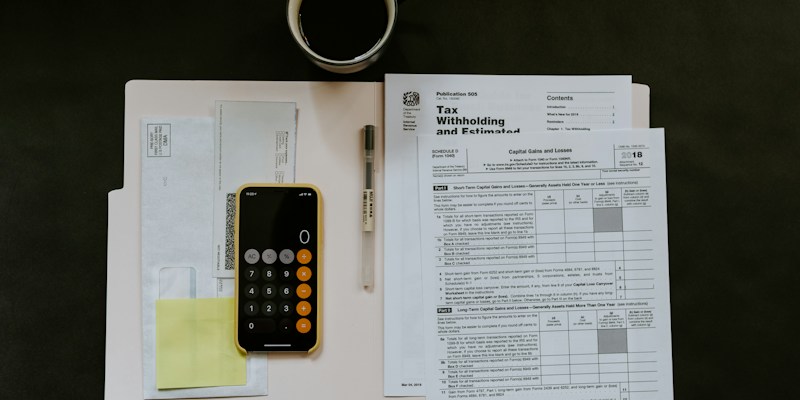
Budgeting: the foundation of financial health
A budget is your financial compass. It helps you get a grip on your money and achieve your financial goals. This guide takes you through budgeting step by step.
Why budget?
The benefits:
- ✅ Understand where your money goes
- ✅ Control your spending
- ✅ Make room for savings
- ✅ Reduce financial stress
- ✅ Achieve your financial goals
Step 1: Know your income
Start by listing all your income:
Regular income:
- Salary (net)
- Benefits
- Maintenance payments
- Regular additional earnings
Variable income:
- Overtime
- Bonuses
- Freelance work
- Selling belongings
Tip: If your income varies, use a conservative estimate.
Step 2: Map out your spending
Categorise your spending into fixed and variable expenses:
Fixed expenses (the same every month):
- Rent/mortgage
- Insurance
- Subscriptions
- Phone/internet
- Student loan
Variable expenses (fluctuating):
- Groceries
- Clothing
- Petrol/public transport
- Eating out
- Entertainment
- Gifts
Irregular expenses (1-2x per year):
- Holidays
- Car maintenance
- Taxes
- Insurance premiums (annual)
Step 3: Choose a budgeting method
The 50/30/20 rule
- 50%: Essential expenses (rent, groceries, transport)
- 30%: Wants (entertainment, eating out, hobbies)
- 20%: Savings and debt repayments
The envelope method
Divide your money physically (or digitally) into envelopes for each category. When an envelope is empty, you stop spending.
Zero-based budgeting
Every euro is assigned a purpose until you reach €0. Ideal for maximum control.
Step 4: Create your budget
Here is an example budget template:
| Category | Amount | % of income |
|---|---|---|
| Income | €2.500 | 100% |
| Rent | €800 | 32% |
| Groceries | €300 | 12% |
| Insurance | €150 | 6% |
| Subscriptions | €50 | 2% |
| Transport | €150 | 6% |
| Fixed subtotal | €1.450 | 58% |
| Entertainment | €150 | 6% |
| Clothing | €50 | 2% |
| Eating out | €100 | 4% |
| Miscellaneous | €100 | 4% |
| Variable subtotal | €400 | 16% |
| Savings | €400 | 16% |
| Buffer | €250 | 10% |
| Total | €2.500 | 100% |
Step 5: Track your spending
A budget only works if you keep track of it.
Tracking options:
- Spreadsheet: Excel or Google Sheets
- Apps: Grip, YNAB, Mint, Toshl
- Paper: A cash book
- Banking app: Many banks offer spending categorisation
Step 6: Review and adjust
Review your budget monthly:
- Where are you spending more than planned?
- Where can you save money?
- Is your budget realistic?
Adjust where necessary. A budget is a living document.
Common mistakes
- Starting too strictly: Be realistic from the start
- Forgetting annual premiums: Set money aside monthly
- No buffer: Unexpected expenses will always arise
- Giving up after one month: Persistence is key
- Too little for yourself: Budgeting needs to be manageable
Tips for success
For budgeting:
- Wait 24 hours before making major purchases
- Use cash for variable expenses
- Plan your groceries weekly
- Compare prices
For discipline:
- Automate your savings
- Pay yourself first
- Celebrate small wins
- Find a buddy
Resources
Free tools:
- Nibud Budgetcalculator
- Grip app
- Google Sheets templates
- Banking apps with spending categorisation
Websites:
- nibud.nl
- wijzeringeldzaken.nl
- consumentenbond.nl
Conclusion
Budgeting is not a restriction but a freedom. It gives you control over your financial life and helps you work towards your goals. Start today, keep it simple, and adjust where necessary. Within a few months, you will experience the benefits.
Sources and scope
Examples and policy choices in this article are illustrative, not a current quotation, fixed standard or financial or legal advice. The editorial revision date relates to the summary, structure and source references; it is not a reference date for the underlying data.
| Primary source | What is it used for? |
|---|---|
| Rijksoverheid — responsible borrowing | Repayment, interest, additional costs and assessing affordability against your budget. |
Source links support the topic mentioned, but do not automatically substantiate all percentages, time frames or examples in this article. Check current terms and rules with the responsible authority.